Blocked Fallopian Tubes: Natural Treatment Options
A diagnosis of blocked fallopian tubes can feel like the door to natural conception has been closed and locked. Most women who receive it are told there are two options: surgery to attempt to open the tubes, or IVF to bypass them entirely.
What is rarely discussed is that natural treatment for blocked fallopian tubes has helped many women restore tubal function, reduce the inflammation and scar tissue that caused the blockage, and go on to conceive without surgery or assisted reproduction.
This is not a guarantee. Some blockages are structural and severe, and surgery or IVF may genuinely be the right path. But a significant number of women diagnosed with tubal blockage have tubes that are affected by inflammation, mucus, or partial obstruction rather than permanent structural damage, and these respond to the right approach.
Understanding the difference, and what your options are, is the starting point.
What Causes Blocked Fallopian Tubes
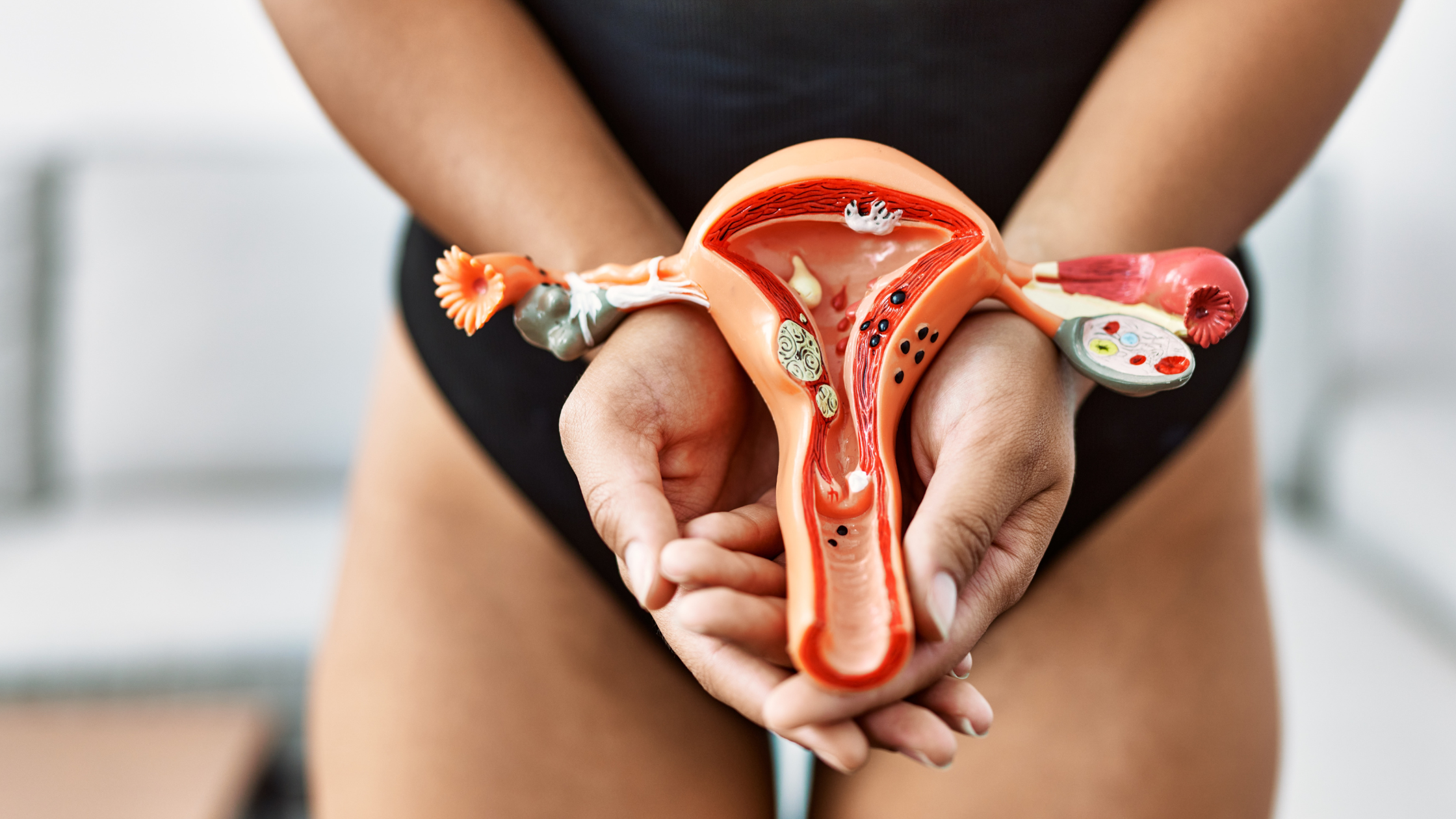
The fallopian tubes are the narrow pathways through which an egg travels from the ovary to the uterus, and through which sperm travel in the other direction to reach the egg for fertilisation. When one or both tubes are blocked or damaged, this process is interrupted.
The most common causes of tubal blockage include the following.
Pelvic inflammatory disease (PID), usually caused by untreated chlamydia or gonorrhoea, is the most common cause of tubal damage. The infection triggers inflammation and scar tissue formation that can partially or fully block the tubes.
Endometriosis can cause adhesions and scar tissue around the tubes and ovaries, affecting their function and patency.
Previous surgery, including appendix removal, C-section, or abdominal surgery, can create adhesions that affect the tubes.
Hydrosalpinx, a condition where the tube fills with fluid due to scarring, can affect both tubal function and uterine receptivity.
Fibroids near the entrance to the tubes can cause blockage at the junction with the uterus.
Understanding the cause of the blockage matters, because different causes respond differently to natural treatment.
How Tubal Blockage Is Diagnosed and Why the Diagnosis Deserves Scrutiny
The standard test for tubal patency is a hysterosalpingogram (HSG), an X-ray procedure in which dye is injected through the cervix and its movement through the tubes is tracked. If the dye does not flow freely, the tube is classified as blocked.
HSGs have a significant false positive rate. Tubal spasm, mucus, debris, or patient anxiety can cause the tube to appear blocked when it is not, or when the obstruction is temporary and not structural. Studies have shown that a proportion of women diagnosed with blocked tubes on HSG have normal or near-normal tubes on laparoscopy, the more definitive surgical investigation.
This does not mean dismissing a blockage diagnosis. It means that a single HSG result, particularly if it was unexpectedly abnormal or if the patient experienced significant discomfort during the procedure, may be worth investigating further before committing to surgery or IVF.
The Role of Inflammation in Tubal Blockage
Most tubal blockage has inflammation at its root. Whether the original cause was infection, endometriosis, or surgical trauma, the mechanism of damage is inflammatory, triggering the formation of scar tissue (adhesions) that obstruct the tube.
This has direct implications for natural treatment. Approaches that reduce systemic and pelvic inflammation, improve circulation to the reproductive organs, and support the breakdown and remodelling of scar tissue address the underlying pathology rather than just its consequences.
None of these approaches will dissolve a severe structural obstruction or reverse significant hydrosalpinx. But for women with partial blockage, peritubal adhesions, or inflammatory obstruction, they can produce meaningful results.
Natural Treatment Options for Blocked Fallopian Tubes
Systemic Enzyme Therapy
Systemic enzymes, taken orally on an empty stomach, have been used for decades in European integrative medicine to support the breakdown of scar tissue and fibrin deposits throughout the body. Enzymes such as serrapeptase and nattokinase have documented fibrinolytic activity, meaning they break down fibrin, the protein that forms the scaffold of scar tissue.
For tubal adhesions specifically, systemic enzyme therapy is one of the most commonly used natural approaches by integrative fertility practitioners. The research base is modest compared to pharmaceutical interventions, but clinical experience and a coherent mechanism of action support its use, particularly for women with adhesion-related blockage rather than structural tubal damage.
Serrapeptase at 80,000 to 120,000 IU daily on an empty stomach is a typical starting protocol, taken consistently for several months.
Castor Oil Therapy
Castor oil packs applied to the lower abdomen are a traditional naturopathic approach used to increase circulation, reduce inflammation, and support lymphatic drainage in the pelvic area. The mechanism is thought to involve increased prostaglandin activity and improved tissue oxygenation.
The evidence base is anecdotal rather than clinical, but the treatment is low risk, inexpensive, and widely used by fertility-focused naturopaths for women with pelvic adhesions and tubal issues. It is typically used outside the fertile window and avoided during menstruation.
Fertility Massage
Specialised fertility massage techniques, developed by practitioners including the creators of the Mercier Therapy and Maya Abdominal Massage approaches, aim to break down adhesions and improve circulation in the pelvic and abdominal region through physical manipulation.
Small clinical studies have shown improvements in fertility outcomes for women with blocked tubes or pelvic adhesions following structured fertility massage programmes. The approach requires a trained practitioner and a commitment of several sessions, but represents a non-invasive option worth investigating.
Anti-Inflammatory Nutrition and Supplementation
Addressing systemic inflammation through diet and targeted supplementation reduces the inflammatory burden that may be maintaining partial obstruction or adhesion formation. An anti-inflammatory diet built around whole foods, omega-3 fatty acids, and antioxidant-rich vegetables, combined with omega-3 supplementation, vitamin D optimisation, and removal of inflammatory dietary inputs, creates a better pelvic environment.
For women with endometriosis-related tubal involvement, the dietary and supplementation approach described in the endometriosis fertility article applies directly here as well.
How Kambo Supports Tubal Health and Fertility
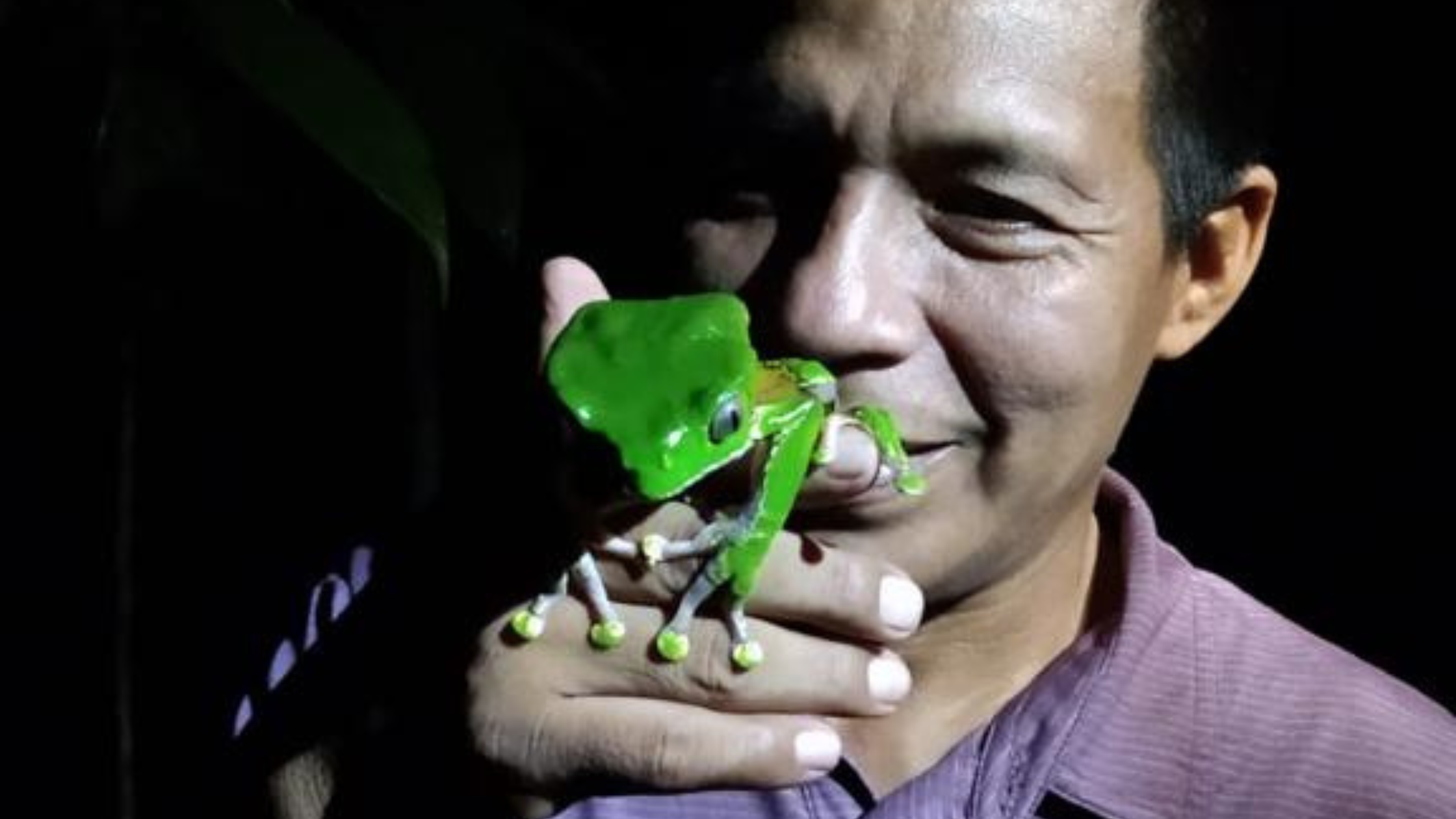
Kambo is a bioactive secretion from the Amazonian tree frog Phyllomedusa bicolor, and for women with blocked or partially blocked fallopian tubes, its anti-inflammatory and detoxifying peptide compounds address several of the underlying drivers of tubal obstruction.
Its potent anti-inflammatory action reduces the pelvic inflammatory environment that maintains adhesions and obstructive tissue. Its deep cellular detoxification supports the body's own processes of tissue repair and remodelling. Its immune-modulating effects are relevant for women where the original blockage was caused by infection or endometriosis-driven immune activity.
Claire Anstey, founder of The Kambo Fertility Clinic, has worked with women with tubal blockage diagnoses who went on to conceive naturally after completing the Fertility Boost Programme. The programme combines four Kambo sessions with Hypnotherapy and Subconscious hHealing, addressing the physical, emotional, and energetic dimensions of fertility challenges together.
For women with tubal involvement, the programme is often used alongside other natural approaches including systemic enzyme therapy and fertility massage, creating a comprehensive treatment framework.
When Surgery or IVF Is the Right Choice
Natural treatment is not the right answer for every case of tubal blockage. It is important to be clear about this.
Severe structural damage to the tubes, significant hydrosalpinx, or bilateral complete blockage due to previous infection are situations where surgery or IVF may genuinely be the most effective path. Hydrosalpinx in particular is associated with reduced IVF success rates, and surgical removal of a severely damaged tube before IVF is often recommended.
Proximal tubal blockage (at the point where the tube meets the uterus) has a high false positive rate on HSG and often resolves on repeat testing. Distal blockage (at the fimbriated end of the tube) is more likely to represent structural damage.
A laparoscopy gives a more accurate picture of tubal status than HSG alone, and for women who want to make informed decisions about natural versus surgical treatment, it is worth requesting if the HSG diagnosis is uncertain or if the blockage is one-sided.
The decision between natural treatment, surgery, and IVF is one that deserves proper information and specialist guidance rather than a default to the most interventional option.
A Natural Treatment Framework for Blocked Fallopian Tubes
For women who want to pursue natural treatment before surgery or IVF, here is a structured starting framework.
Get clarity on the diagnosis. If your blockage was diagnosed on HSG alone, discuss whether a laparoscopy or repeat HSG would give more definitive information. Understanding the nature and severity of the blockage guides the treatment approach.
Begin anti-inflammatory nutrition. Remove alcohol, processed foods, refined sugar, and inflammatory fats. Build meals around vegetables, oily fish, legumes, and healthy fats. Add omega-3 supplementation and optimise vitamin D.
Consider systemic enzyme therapy. Serrapeptase under the guidance of a practitioner with experience in fertility and adhesion management. This is a longer-term commitment, typically three to six months minimum.
Explore fertility massage. Find a practitioner trained in Mercier Therapy, Maya Abdominal Massage, or similar fertility-focused manual therapy approaches.
Address the full picture with specialist support. The Fertility Boost Programme at The Kambo Clinic offers a comprehensive natural approach for women with tubal involvement, addressing inflammation, detoxification, hormonal balance, and the emotional dimension of a diagnosis that can feel particularly final.
A Blocked Tube Diagnosis Is Not the End of the Conversation
For many women, a tubal blockage diagnosis marks the point where natural conception is written off. It does not have to.
The causes of most tubal blockage are inflammatory. Inflammation responds to treatment. And the body's capacity for tissue repair and remodelling, when supported by the right conditions, is often greater than a single test result implies.
Natural treatment for blocked fallopian tubes does not work for everyone. But for women with partial obstruction, adhesion-related blockage, or inflammatory tubal involvement, it has given many the foundation for natural conception that the standard medical pathway did not offer.
If you want to understand what your specific situation calls for and what your options are beyond surgery and IVF, the next step is a specialist conversation.
Find out more about the Fertility Boost Programme at The Kambo Clinic