How to Improve Sperm Count and Motility Naturally
Male factor infertility is involved in around 40 to 50% of all cases where a couple is struggling to conceive. It is one of the most common fertility challenges, and one of the least discussed.
When a semen analysis comes back showing low sperm count, poor motility, or abnormal morphology, the conversation often moves quickly to IVF or ICSI (intracytoplasmic sperm injection), where a single sperm is injected directly into an egg. These are valuable options. But before reaching for assisted reproduction, it is worth understanding just how dramatically sperm quality can improve naturally, and how quickly.
Sperm are produced continuously in a cycle that takes around 74 days. Unlike eggs, which are present from birth, sperm are made fresh. Every intervention you make today begins improving the sperm that will be produced over the next two to three months. The timeline for natural improvement is faster and more predictable than most men are told.
Understanding What a Semen Analysis Actually Measures
A semen analysis measures several parameters. Understanding what each one means helps you target the right interventions.
Sperm count (concentration) refers to the number of sperm per millilitre of semen. The WHO reference value is 16 million per millilitre or above. Below this is considered low, though natural conception is possible at lower counts depending on other factors.
Motility refers to the percentage of sperm that are moving, and how well they move. Total motility above 42% is the WHO reference value. Progressive motility, the percentage moving forward efficiently, should be above 30%.
Morphology refers to the shape and structure of sperm. Only around 4% or more of sperm need to have normal morphology to meet reference values (Kruger strict criteria). Low morphology is often the result of oxidative stress.
Volume and pH of the semen itself also matter, as they affect sperm survival in the female reproductive tract.
All of these parameters respond to lifestyle and nutritional interventions. The degree of improvement depends on what is driving the problem.
Oxidative Stress: The Primary Driver of Poor Sperm Quality
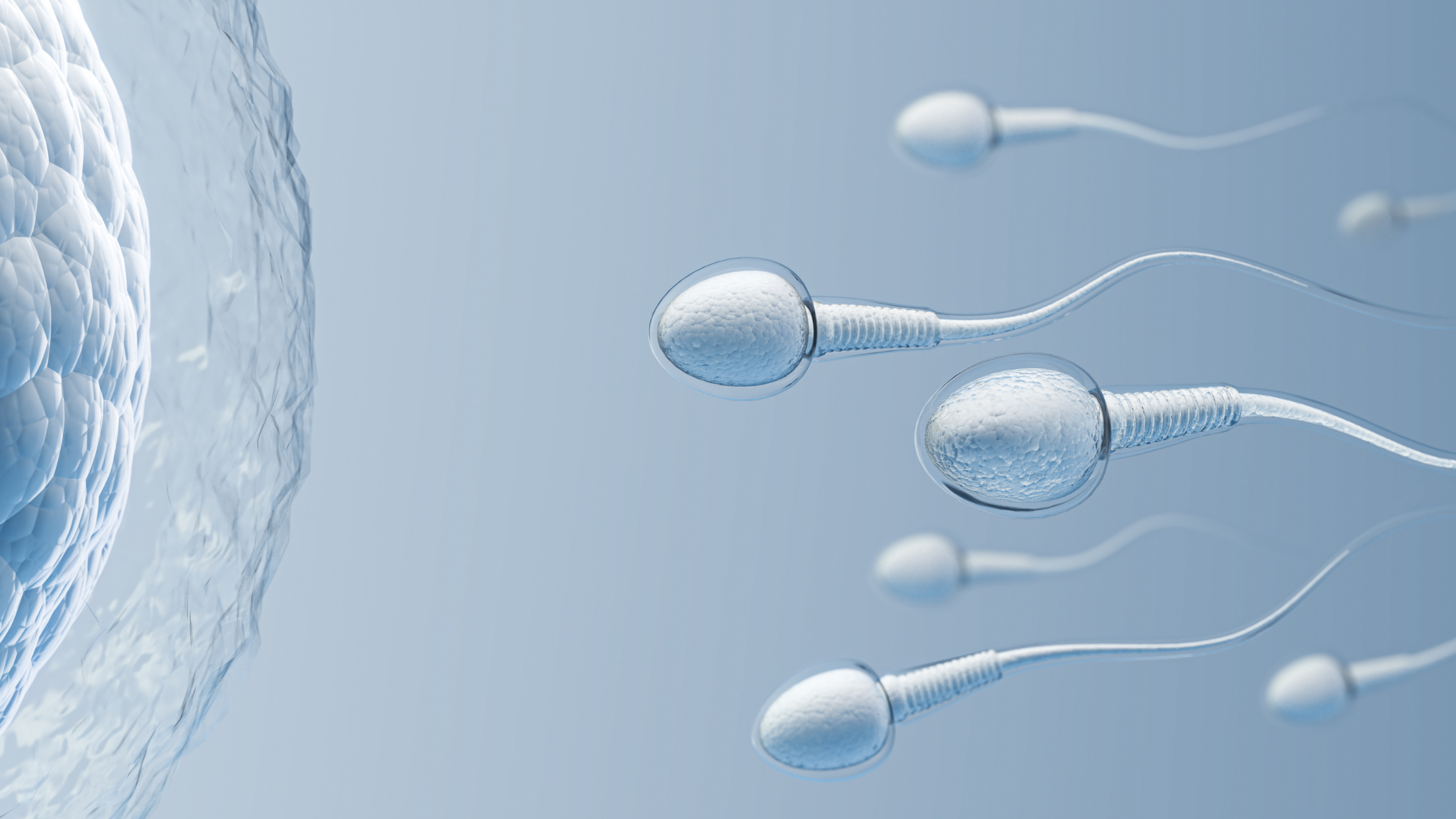
The most common underlying cause of impaired sperm count, motility, and morphology is oxidative stress.
Sperm are particularly vulnerable to oxidative damage because their cell membranes contain a high proportion of polyunsaturated fatty acids, which are susceptible to attack by free radicals. The DNA within sperm is also less protected than in other cells. When oxidative stress is high, sperm DNA fragmentation increases, motility drops, and morphology deteriorates.
Oxidative stress in sperm is caused by: poor diet high in processed foods and sugar, smoking, alcohol, exposure to environmental toxins and heat, obesity, chronic illness, and high levels of psychological stress.
Reducing oxidative stress and increasing antioxidant protection is the central mechanism behind most effective natural sperm improvement strategies.
The Most Effective Natural Interventions for Sperm Quality
Antioxidant Supplementation
The research on antioxidants and male fertility is consistent and strong. A Cochrane review of antioxidant supplementation in subfertile men found significantly higher live birth rates and pregnancy rates compared to placebo, making antioxidant therapy one of the most evidence-supported interventions in male fertility.
The key antioxidants with the strongest evidence for sperm quality include the following.
Vitamin C protects sperm DNA from oxidative damage and improves motility. Studies have shown significant improvements in sperm count and motility with supplementation of 1,000mg daily.
Vitamin E works synergistically with vitamin C to protect sperm membranes from lipid peroxidation. Combined supplementation with vitamin C produces better results than either alone.
CoQ10 supports mitochondrial function in sperm, which is directly linked to motility. Sperm need mitochondrial energy to swim effectively. CoQ10 at 200 to 300mg daily has shown improvements in both motility and morphology in clinical trials.
Zinc is essential for sperm production and testosterone metabolism. Zinc deficiency is associated with low sperm count and poor morphology. Foods rich in zinc include oysters, pumpkin seeds, and red meat, and supplementation at 25 to 45mg daily is appropriate for men with deficiency.
Selenium protects sperm from oxidative damage and supports structural integrity. A Brazil nut a day provides a reasonable dietary source, or supplementation at 100 to 200mcg daily.
Folate is required for healthy sperm DNA synthesis. Low folate is associated with increased sperm DNA fragmentation. 400 to 800mcg daily is appropriate.
Lifestyle Interventions With Direct Impact on Sperm
Stop smoking. Smoking is one of the most consistently documented causes of poor sperm quality. It increases oxidative stress, reduces sperm count and motility, and increases DNA fragmentation. The effect is dose-dependent and largely reversible on cessation.
Reduce or eliminate alcohol. Alcohol impairs testosterone production and increases oxidative stress in the testes. Even moderate drinking is associated with reductions in sperm quality in some studies.
Manage heat exposure. The testes are located outside the body precisely because sperm production requires a temperature slightly below core body temperature. Laptops on the lap, hot baths, tight underwear, and long periods of sitting all raise scrotal temperature and impair sperm production. These are easy to change.
Address weight. Obesity is associated with lower testosterone, higher oestrogen, and poorer sperm quality. Even modest weight loss in men who are overweight can produce meaningful improvements in semen parameters.
Exercise moderately. Regular moderate exercise improves testosterone levels and reduces oxidative stress. Intense endurance exercise or heavy anabolic steroid use has the opposite effect.
Diet and Sperm Quality: What the Research Shows
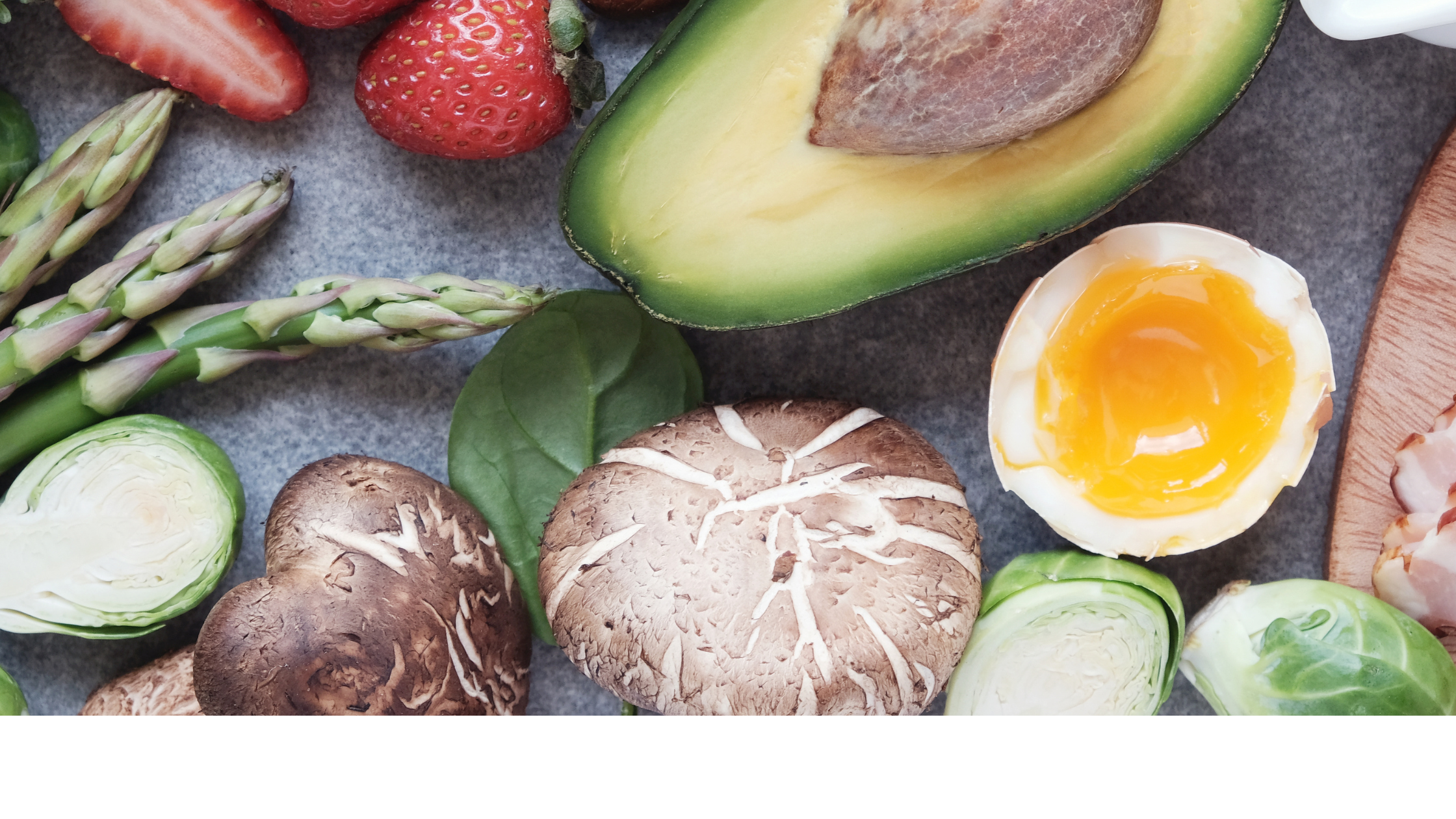
A Mediterranean-style diet, rich in vegetables, fruits, whole grains, legumes, oily fish, and olive oil, is consistently associated with better semen parameters in population studies. It reduces systemic inflammation, provides a broad range of antioxidants, and supports healthy testosterone metabolism.
The dietary changes with the most direct impact on sperm quality include increasing omega-3 fatty acids from oily fish or supplementation (DHA is a structural component of sperm membranes), increasing zinc-rich foods, removing processed foods and sugar, and reducing alcohol.
Processed meats are associated with lower sperm count and motility in multiple studies and are worth reducing or eliminating during a fertility-focused period.
The Role of Stress in Male Fertility
Psychological stress impairs male fertility through multiple pathways. It elevates cortisol, which suppresses testosterone production. It increases oxidative stress throughout the body, including in the testes. It disrupts sleep, which is when testosterone is primarily produced.
For men in couples dealing with fertility challenges, the stress of trying and not conceiving, of medical investigations, and of the emotional weight of the situation, can directly worsen the sperm quality that is already a concern.
Addressing the stress response is not a secondary consideration for male fertility. It is part of the clinical picture.
How Kambo Supports Male Fertility
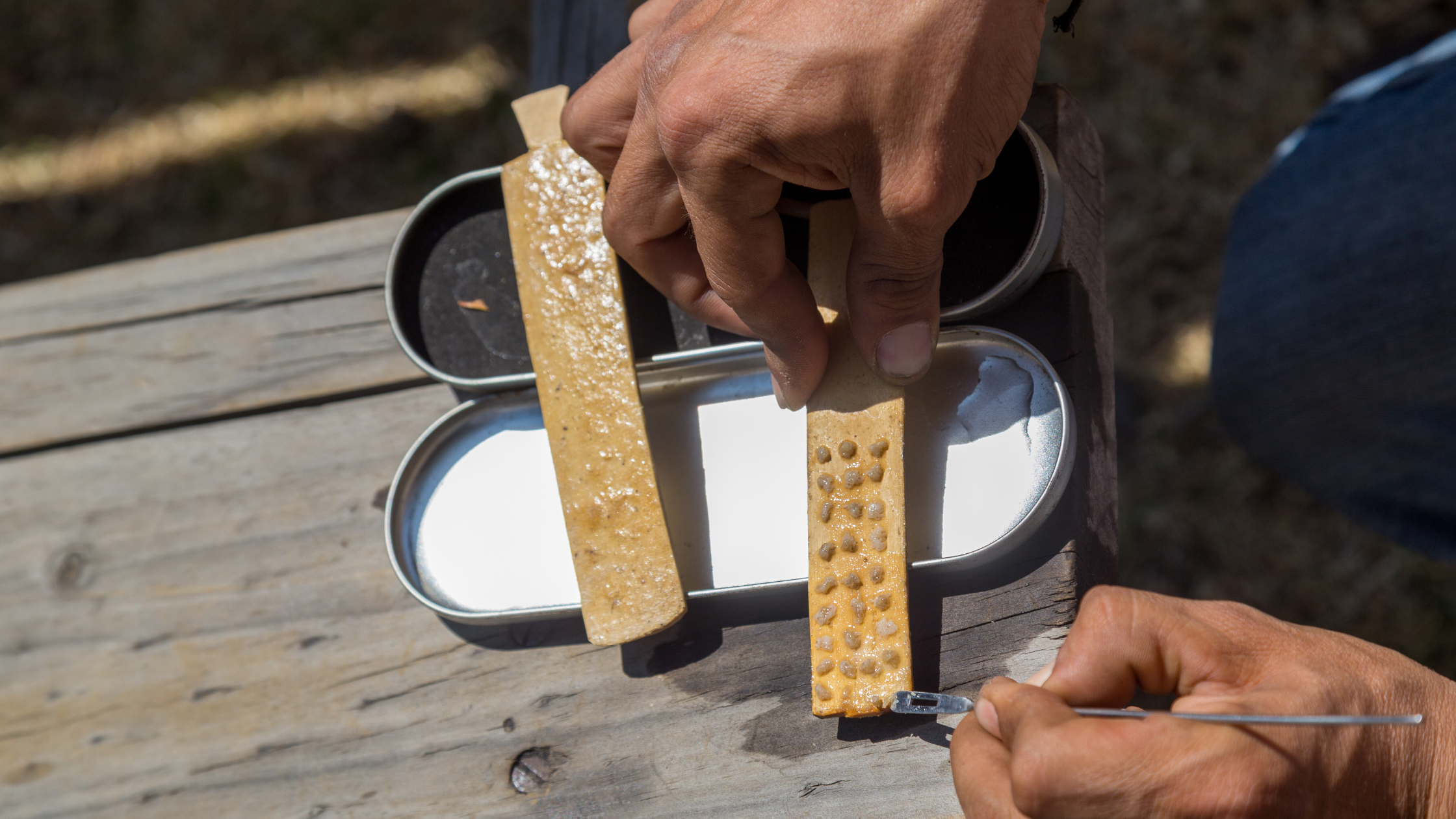
Kambo is a bioactive secretion from the Amazonian tree frog Phyllomedusa bicolor, and its documented effects on inflammation, detoxification, and nervous system regulation are relevant to male fertility as well as female.
For men, its anti-inflammatory and detoxifying peptides reduce the systemic oxidative burden that directly impairs sperm production. Its nervous system reset addresses the cortisol-testosterone disruption that chronic stress produces. Its deep cellular cleansing action addresses the accumulated environmental toxic load, from alcohol, poor diet, and environmental chemicals, that affects testicular function.
The Fertility Boost Programme at The Kambo Clinic works with both partners, recognising that conception is a shared biological process and that optimising both sides of the equation produces the best outcomes.
A Practical Natural Sperm Improvement Protocol
If a semen analysis has shown concerns, here is a focused 90-day protocol to begin immediately.
Stop smoking completely. No amount is without effect on sperm quality.
Reduce alcohol to no more than two to three units per week, ideally less. This single change produces measurable improvements in many men within a few months.
Begin antioxidant supplementation. CoQ10 at 200 to 300mg daily, vitamin C at 1,000mg, vitamin E at 400 IU, zinc at 25 to 30mg, selenium at 100mcg, and folate at 400 to 800mcg. A quality male fertility supplement that combines these is a convenient option, provided you check the doses.
Change heat habits. Switch to loose-fitting underwear, avoid laptops on the lap, and limit hot baths during the protocol period.
Improve diet. Increase oily fish, vegetables, fruit, nuts, and seeds. Remove processed foods, refined sugar, and processed meats.
Add omega-3 supplementation at 1,000mg EPA and DHA daily if oily fish intake is low.
Address stress directly. Sleep, moderate exercise, and where needed, structured approaches to the stress response.
Repeat the semen analysis after 90 days. The improvements in well-supported protocols are often significant.
Sperm Quality Is Far More Modifiable Than Most Men Are Told
A poor semen analysis is not a fixed result. It is a snapshot of sperm quality under current conditions. Change the conditions and you change the sperm.
The biology is straightforward: sperm take 74 days to produce. Start a targeted natural protocol now and you are investing in the sperm that will exist in three months. Given that improving sperm count and motility naturally is well-supported by research, achievable without medication, and free from side effects, it is the obvious first step before moving towards assisted reproduction.
Many couples who have been advised towards IVF or ICSI for male factor infertility have gone on to conceive naturally once sperm quality was properly addressed. It is worth giving the biology the chance to respond before assuming intervention is necessary.
Find out more about the Fertility Boost Programme at The Kambo Clinic