Endometriosis and Fertility: Can You Conceive Naturally?
Around 1 in 10 women has endometriosis. Of those, approximately 30 to 50% will experience fertility challenges. Those statistics are cited often. What is cited far less often is that the majority of women with endometriosis, including those with moderate to severe disease, do conceive. Many do so naturally.
The relationship between endometriosis and fertility is real, but it is not fixed. The degree to which endometriosis affects your ability to conceive depends on several factors, and many of them are addressable through natural treatment.
This article explains how endometriosis affects fertility, what natural approaches have the strongest evidence, and why addressing the condition at its root gives you a better foundation for conception than symptom management alone.
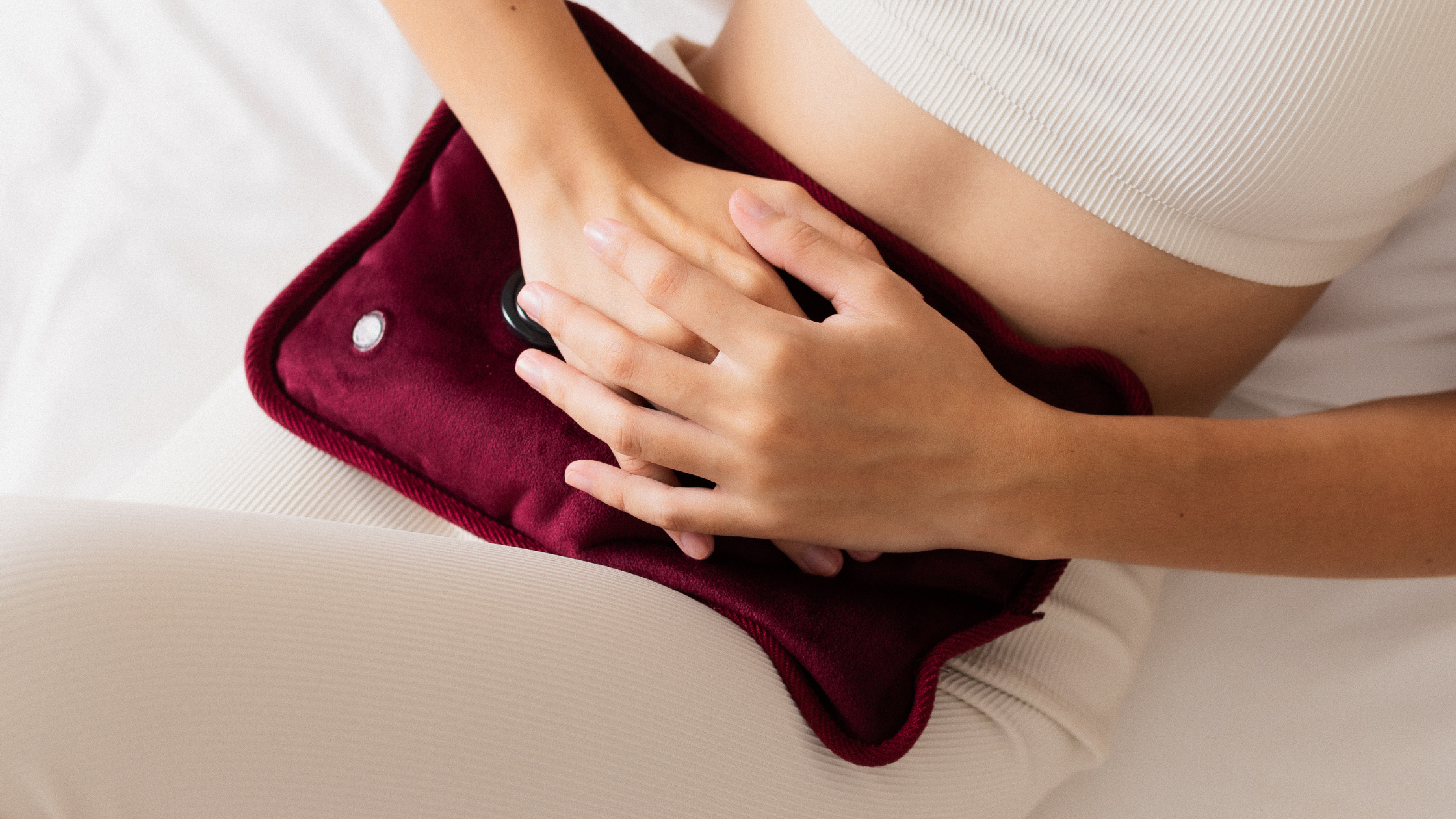
How Endometriosis Affects Fertility
Endometriosis occurs when tissue similar to the uterine lining grows outside the uterus, most commonly on the ovaries, fallopian tubes, and pelvic tissue. This misplaced tissue responds to the hormonal cycle just as the uterine lining does, thickening and breaking down each month without anywhere to go. The result is inflammation, scar tissue, and often significant pain.
The ways endometriosis can affect fertility include the following.
Inflammation in the pelvic environment can damage eggs and impair fertilisation. Ovarian endometriomas (cysts on the ovaries caused by endometriosis) can reduce ovarian reserve and egg quality. Scar tissue and adhesions can affect the fallopian tubes and disrupt the transport of eggs and sperm. The uterine environment may be less receptive to implantation due to elevated inflammatory markers.
These are real mechanisms. But they are not uniformly present in all women with endometriosis, and many of them respond to the right treatment.
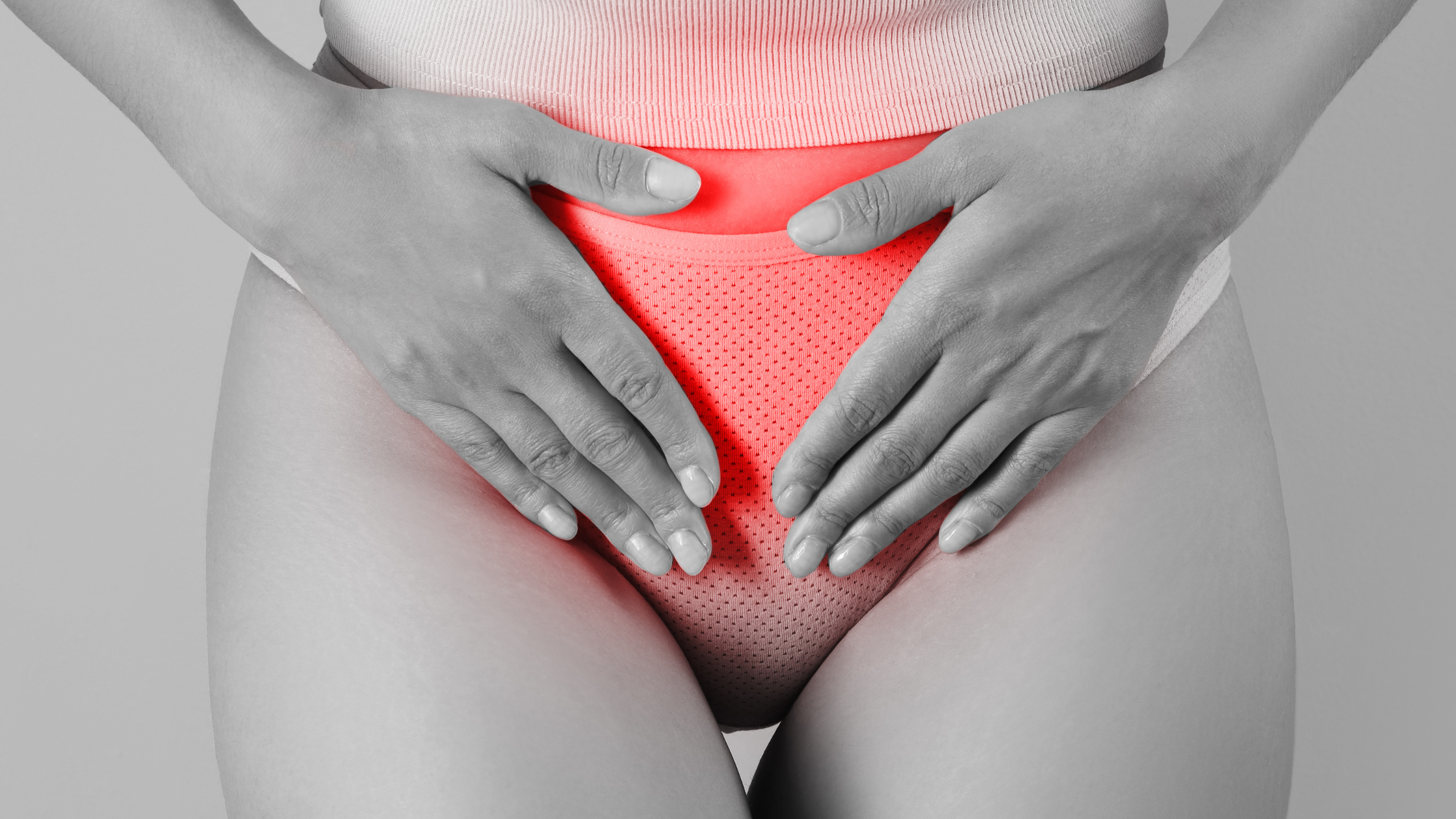
Why Surgery Is Not Always the Answer
The standard medical treatment for endometriosis affecting fertility is laparoscopic surgery to remove endometrial deposits and scar tissue, followed by referral to IVF if natural conception does not occur within a certain timeframe.
Surgery has a role. For severe endometriosis with significant structural damage to the fallopian tubes or large ovarian cysts, it may be the necessary first step. But surgery does not address the underlying inflammatory driver of the condition. Endometriosis recurs in a significant proportion of women after surgery, often within two to five years.
Operating on the symptom without addressing the cause leaves the inflammatory environment intact. And it is that environment, not just the physical deposits, that affects egg quality, fertilisation, and implantation.
Natural treatment for endometriosis and fertility works on the environment. That is the distinction that matters.
The Role of Inflammation in Endometriosis Fertility
Inflammation is both a symptom and a driver of endometriosis. Elevated levels of inflammatory cytokines in the peritoneal fluid (the fluid surrounding the pelvic organs) impair egg quality, disrupt fertilisation, and reduce uterine receptivity. This inflammatory burden is present even in mild endometriosis and is one of the main reasons women with the condition have lower natural conception rates than those without it.
Reducing systemic and pelvic inflammation is therefore one of the most important things a woman with endometriosis can do for her fertility, whether she is pursuing natural conception or preparing for IVF.
Anti-Inflammatory Nutrition for Endometriosis
The relationship between diet and endometriosis is supported by a growing body of research. Women with endometriosis who follow an anti-inflammatory diet report improvements in pain, cycle regularity, and fertility outcomes.
The foundation is simple: more omega-3 fatty acids from oily fish, more colourful vegetables and fruits high in antioxidants, more fibre to support oestrogen metabolism through the gut, and significantly less red meat, dairy, refined sugar, alcohol, and processed foods.
Oestrogen dominance is a common feature of endometriosis, because endometrial tissue produces its own oestrogen locally. Dietary factors that support healthy oestrogen metabolism, including cruciferous vegetables (broccoli, cauliflower, Brussels sprouts) and adequate fibre, are particularly valuable.
Omega-3 Supplementation
Omega-3 fatty acids have direct anti-inflammatory effects and are associated with reduced prostaglandin activity, which is relevant for the pain and inflammatory cycle of endometriosis. A quality fish oil supplement providing at least 1,000mg of combined EPA and DHA daily is a sensible addition to an anti-inflammatory dietary approach.
Vitamin D
Vitamin D deficiency is significantly more common in women with endometriosis than in the general population, and low vitamin D is associated with more severe disease. Vitamin D has immune-modulating effects that may reduce the inflammatory activity driving endometriosis progression. Testing and supplementing to optimal levels is straightforward and clinically relevant.
Hormonal Balance and Endometriosis
Endometriosis is an oestrogen-dependent condition. The misplaced tissue grows in response to oestrogen, which is why symptoms typically worsen in the lead-up to menstruation and improve after menopause. Managing oestrogen excess is therefore an important part of natural treatment.
Environmental oestrogens, found in plastics, pesticides, non-stick cookware, and many personal care products, add to the total oestrogen burden and can worsen endometriosis symptoms and progression. Reducing exposure to these environmental oestrogens, by switching to glass storage, natural cleaning and beauty products, and organic produce where possible, reduces the hormonal load the body has to manage.
Supporting the liver's ability to process and clear oestrogen is equally important. The liver is the primary site of oestrogen metabolism. A nutrient-dense diet, adequate hydration, and avoiding alcohol and environmental toxins support hepatic oestrogen clearance.
How Kambo Supports Endometriosis and Fertility
Kambo is a bioactive secretion from the Amazonian tree frog Phyllomedusa bicolor, and its documented anti-inflammatory and immune-modulating effects make it particularly relevant for endometriosis.
The inflammatory environment of endometriosis is driven by dysregulated immune activity. Kambo's peptide compounds have shown immune-modulating properties in research contexts, reducing inflammatory cytokine activity and supporting a more balanced immune response. Its deep cellular detoxification action addresses the systemic burden that sustains the inflammatory cycle.
For fertility specifically, Kambo reduces the pelvic inflammatory environment that impairs egg quality and implantation, supports hormonal recalibration, and resets the nervous system that is often chronically activated by endometriosis-related pain and fertility stress.
Claire Anstey, founder of The Kambo Fertility Clinic, has worked with women with endometriosis, including those who had undergone surgery without achieving conception, who went on to conceive naturally after completing the Fertility Boost Programme. The programme combines four Kambo sessions with Hypnotherapy and Subconscious Healing, addressing the physical, hormonal, and emotional dimensions of endometriosis fertility together.

The Emotional Weight of Endometriosis and Fertility
Endometriosis is a condition that carries a significant emotional burden. The years of pain before diagnosis, the impact on relationships and work, the grief of fertility challenges, and the relentless nature of a condition that returns despite treatment all take a toll.
This emotional load has a direct physiological effect. Chronic pain and chronic stress both elevate cortisol, suppress reproductive hormones, and create an internal environment that makes conception harder.
Addressing the emotional and nervous system dimension of endometriosis is not separate from treating the condition. For many women, the subconscious patterns built around years of pain and medical disappointment are among the most significant barriers to conception.
The hypnotherapy and subconscious healing component of the Fertility Boost Programme addresses this directly. It is not a soft addition to the clinical work. For many women with endometriosis, it is where the most significant shift happens.
A Natural Endometriosis Fertility Protocol
The most effective natural approach to endometriosis and fertility combines the following.
Anti-inflammatory diet as the foundation. Remove red meat, dairy, refined sugar, alcohol, and processed foods. Build meals around vegetables, legumes, oily fish, whole grains, and healthy fats. Prioritise cruciferous vegetables for oestrogen support.
Targeted supplementation. Omega-3s at 1,000mg EPA and DHA daily. Vitamin D tested and supplemented to optimal range. A prenatal supplement with methylfolate. NAC (N-acetyl cysteine) has emerging evidence specifically for endometriosis and egg quality.
Reduce environmental oestrogen exposure. Glass and stainless steel over plastic, natural personal care and cleaning products, organic produce for high-pesticide items.
Address the nervous system. Chronic pain creates chronic nervous system activation. Hypnotherapy, somatic approaches, and programmes that work on the stress response and subconscious patterns are part of the clinical picture.
Consider specialist natural fertility treatment. The Fertility Boost Programme addresses endometriosis fertility at every level: the inflammatory environment, hormonal balance, the nervous system, and the emotional and subconscious dimension. For women who have not found answers through surgery or standard medical management, it offers a genuinely different approach.
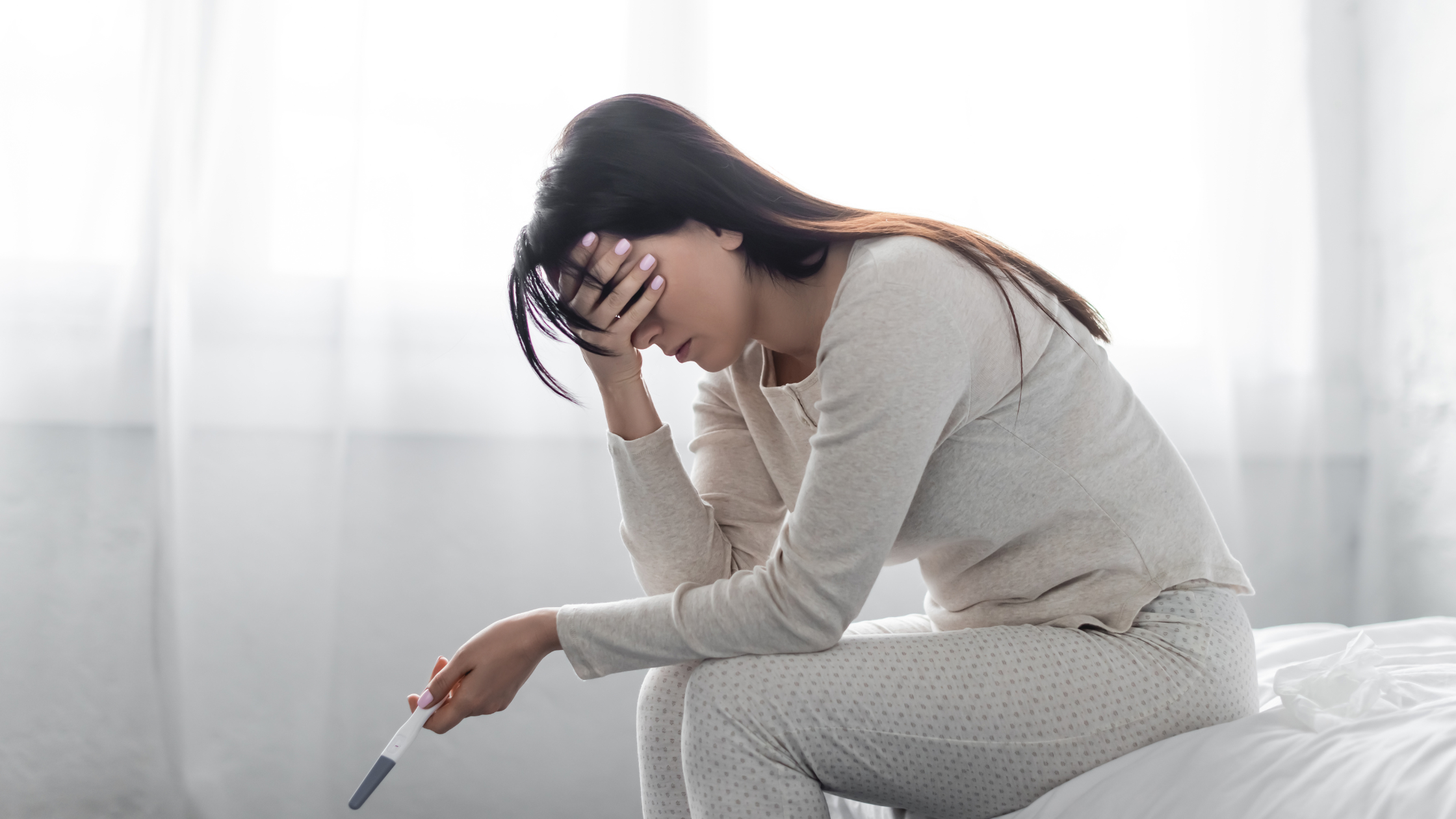
Endometriosis Does Not Define Your Fertility
A diagnosis of endometriosis is not a ceiling on your fertility. It is information about the environment inside your body, and environments change.
The women who conceive naturally with endometriosis are the ones who take the inflammatory, hormonal, and emotional drivers of the condition seriously enough to address them with intention. Not just manage the symptoms, but shift the underlying terrain.
That is what natural treatment for endometriosis and fertility is designed to do.
Find out more about the Fertility Boost Programme at The Kambo Clinic