Natural Treatment for PCOS and Fertility: A Complete Guide
PCOS is the most common hormonal condition in women of reproductive age, affecting around 1 in 10. It is also one of the leading causes of fertility challenges. And yet, for many women, the conversation after diagnosis ends at one of two places: the contraceptive pill to manage symptoms, or Clomid and IVF when they want to conceive.
There is a great deal of ground between those two options that rarely gets discussed.
Natural treatment for PCOS and fertility is not about avoiding medicine. It is about addressing the underlying drivers of the condition, the insulin resistance, the inflammation, the hormonal imbalance, in a way that restores the body's own capacity for ovulation and conception. For many women, this is not only possible. It produces results that medication alone does not.
This is the complete guide to what that looks like.
What PCOS Actually Is and Why It Affects Fertility
PCOS stands for polycystic ovary syndrome. Despite the name, the defining feature is not cysts on the ovaries. It is a hormonal disruption that causes multiple small, immature follicles to develop without any one of them reaching full maturity and releasing an egg.
The result is irregular or absent ovulation. Without ovulation, conception cannot occur naturally.
The hormonal picture in PCOS typically involves elevated androgens (testosterone and related hormones), disrupted LH and FSH ratios, and frequently, insulin resistance. These factors reinforce each other in a cycle that keeps ovulation suppressed and symptoms persistent.
Understanding which of these drivers is most dominant in your case is the starting point for effective treatment. PCOS is not one condition with one cause. It is a spectrum, and the approach that works best is the one tailored to your specific hormonal profile.
Insulin Resistance: The Driver Most Women With PCOS Are Not Addressing
Insulin resistance is present in around 70% of women with PCOS, including those who are not overweight. It is also one of the most significant and most addressable drivers of PCOS-related infertility.
When cells become resistant to insulin, the pancreas produces more of it to compensate. High insulin levels stimulate the ovaries to produce excess androgens, which disrupt follicular development and suppress ovulation. They also interfere with the pituitary signalling that regulates the menstrual cycle.
Addressing insulin resistance directly is one of the most powerful things a woman with PCOS can do for her fertility. And it does not require medication to do it.
Diet and Insulin Sensitivity
A low-glycaemic diet, one that prioritises whole grains, vegetables, legumes, healthy fats, and protein while minimising refined carbohydrates and sugar, reduces insulin levels and improves insulin sensitivity over time. This is not a weight loss strategy. It is a hormonal strategy. The mechanism is direct and well-documented.
Removing sugar and refined carbohydrates from the diet reduces the insulin spikes that drive androgen production. Many women with PCOS notice improvements in cycle regularity within two to three months of consistent dietary change.
Myo-Inositol
Myo-inositol is a naturally occurring compound that improves insulin signalling at the cellular level. Multiple clinical trials have demonstrated its effectiveness in PCOS, showing improvements in insulin sensitivity, reductions in androgen levels, more regular ovulation, and improved pregnancy rates.
The research-backed dose is 4,000mg daily, often combined with 100mg of D-chiro-inositol in a 40:1 ratio. Several studies have found myo-inositol to be as effective as metformin for improving ovulation in women with PCOS, with a significantly better side effect profile.

Inflammation: The Overlooked PCOS Driver
Chronic low-grade inflammation is increasingly recognised as both a feature and a driver of PCOS. Inflammatory markers are elevated in women with PCOS regardless of weight, and inflammation directly disrupts the hormonal signalling needed for ovulation.
An anti-inflammatory approach to diet and lifestyle is therefore not an optional extra for women with PCOS. It is part of the treatment.
Omega-3 fatty acids, found in oily fish and quality fish oil supplements, are among the most effective anti-inflammatory nutrients available. Studies in women with PCOS have shown that omega-3 supplementation reduces testosterone levels, improves insulin sensitivity, and supports more regular cycles.
Vitamin D deficiency is common in women with PCOS and is associated with more severe insulin resistance, higher androgen levels, and lower fertility. Testing and supplementing to optimal levels is a straightforward intervention with meaningful effects.
The Stress and Adrenal Connection in PCOS
For some women, PCOS symptoms are driven or worsened by adrenal dysfunction rather than ovarian androgen production. Chronic stress elevates cortisol, which stimulates adrenal androgen production and worsens the hormonal imbalance characteristic of PCOS.
This adrenal component is frequently missed, because standard PCOS investigations do not always distinguish between ovarian and adrenal androgen sources. If your PCOS symptoms worsen significantly during periods of stress, or if you have a history of adrenal fatigue or high-stress periods coinciding with cycle disruption, the adrenal component may be significant for you.
How Kambo Supports PCOS and Natural Fertility
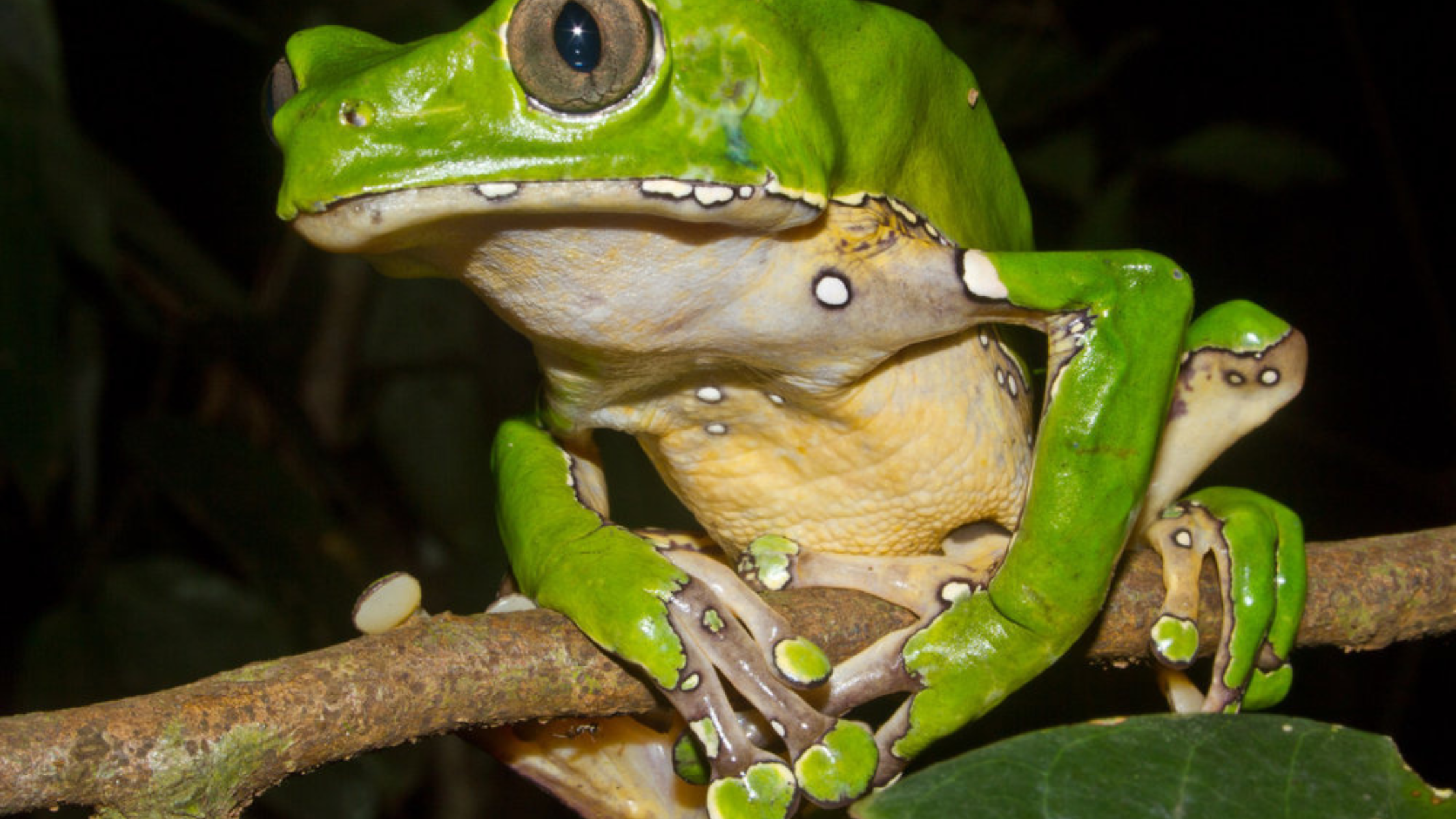
Kambo is a bioactive secretion from the Amazonian tree frog Phyllomedusa bicolor, containing peptide compounds with documented anti-inflammatory, hormonal, and nervous system effects. For women with PCOS, its multi-system action addresses several of the condition's underlying drivers simultaneously.
Its anti-inflammatory peptides reduce the systemic inflammation that drives hormonal disruption in PCOS. Its effect on the nervous system addresses the adrenal component of androgen excess. Its detoxifying action clears the environmental and metabolic burden that contributes to insulin resistance.
Claire Anstey, founder of The Kambo Fertility Clinic, has worked with many women with PCOS who went on to conceive naturally after completing the Fertility Boost Programme. The programme combines four Kambo sessions with hypnotherapy and subconscious healing, creating a comprehensive approach to the physical and emotional dimensions of PCOS fertility.
For women who have been managing PCOS with medication or lifestyle changes without achieving conception, the programme addresses the layers that those approaches may not have reached.
Restoring Ovulation Naturally With PCOS
Ovulation is the goal. Everything else, diet, supplements, stress management, Kambo, is in service of restoring the cycle of follicular development that ends in a mature egg being released.
Signs that natural treatment is working include more regular cycles, a return of ovulation confirmed by temperature tracking or LH testing, and improvements in the physical symptoms of PCOS including skin, hair, and energy levels.
Tracking ovulation during PCOS treatment requires patience. Cycles may be irregular for some time before they regularise. LH testing kits can give false positives in PCOS due to elevated baseline LH, so basal body temperature tracking alongside LH strips gives a more reliable picture.
Working with a specialist who understands PCOS and fertility, rather than a generic supplement protocol, produces significantly better results.
A Natural PCOS Fertility Protocol That Actually Works
The most effective natural treatment for PCOS fertility combines the following elements, addressed together rather than in isolation.
Dietary foundation: Low-glycaemic, anti-inflammatory, built around whole foods. Remove sugar, refined carbohydrates, and alcohol. Prioritise vegetables, legumes, quality protein, and healthy fats.
Core supplementation: Myo-inositol at 4,000mg daily with D-chiro-inositol. Omega-3s at 1,000mg EPA and DHA daily. Vitamin D tested and supplemented to optimal range. A prenatal supplement with methylfolate.
Nervous system support: Addressed directly, not as a background consideration. Hypnotherapy, breathwork, or a structured programme that works on the stress response and its adrenal effects.
Specialist treatment: The Fertility Boost Programme at The Kambo Clinic for women who want a comprehensive, structured approach that addresses the physical, hormonal, emotional, and energetic dimensions of PCOS fertility together.
Cycle monitoring: LH strips and basal body temperature tracking to identify and confirm ovulation. This gives you real-time feedback on whether your approach is working and allows timing of conception attempts accurately.
PCOS Is Not a Barrier to Natural Conception
PCOS affects ovulation. It does not prevent it. With the right approach, most women with PCOS can restore regular ovulation and conceive naturally, without IVF and without a lifetime of medication management.
The key is addressing the condition at its root, not just managing its surface symptoms. Insulin resistance, inflammation, adrenal dysfunction, and the nervous system drivers of hormonal disruption are all addressable with natural treatment. And when they are addressed properly, the body's own capacity for ovulation and conception can reassert itself.
If you have been told that IVF is your only option with PCOS, it is worth getting a second opinion from a specialist in natural fertility treatment before making that decision.
Find out more about the Fertility Boost Programme at The Kambo Clinic